Les atteintes au patrimoine: responsabilité des États et enjeux de vocabulaire
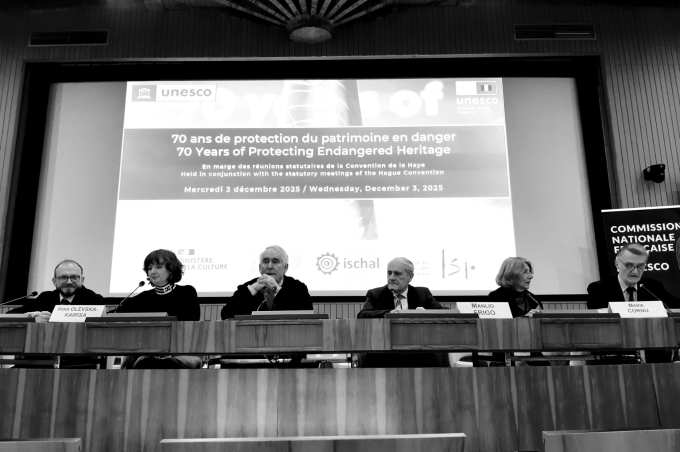






Belgium is reshaping heritage protection through a combined legal and policy shift that emphasizes restoration over punishment and treats cultural heritage as a living, reparable resource rather than a static asset. The 2026 recast Penal Code reorients criminal justice toward proportionality and restorative justice by limiting short prison sentences, expanding non-custodial sanctions, and strengthening corporate accountability, thereby creating space for reparative measures such as restoration work or heritage education in cases of damage to cultural objects. Although not heritage-specific, the framework allows courts to address cultural harm beyond mere market value, especially when protected sites are involved. In parallel, Wallonia’s heritage policy—led by the Agence Wallonne du Patrimoine—invests heavily in training traditional craftspeople and supporting active archaeology, ensuring the practical capacity for meaningful restoration and ongoing discovery. Together, these reforms suggest an emerging model in which damage to heritage is addressed through repair, skills transmission, and renewed engagement with the past, rather than solely through retribution, with implementation now the key test of their transformative potential.
Copyright protects artistic creations, but what about artist's style? Our returning author - Andrea Quintanilla - provides comparative overview of respective regulation in Europe, the USA and the Andean Community